Irrigation
Water exactly where the plants need it.
Built to survive the desert: hard sun, shifting ground, and the critters that go after buried line. Then tuned zone by zone to what your native plants actually drink.
Built to survive the desert: hard sun, shifting ground, and the critters that go after buried line. Then tuned zone by zone to what your native plants actually drink.
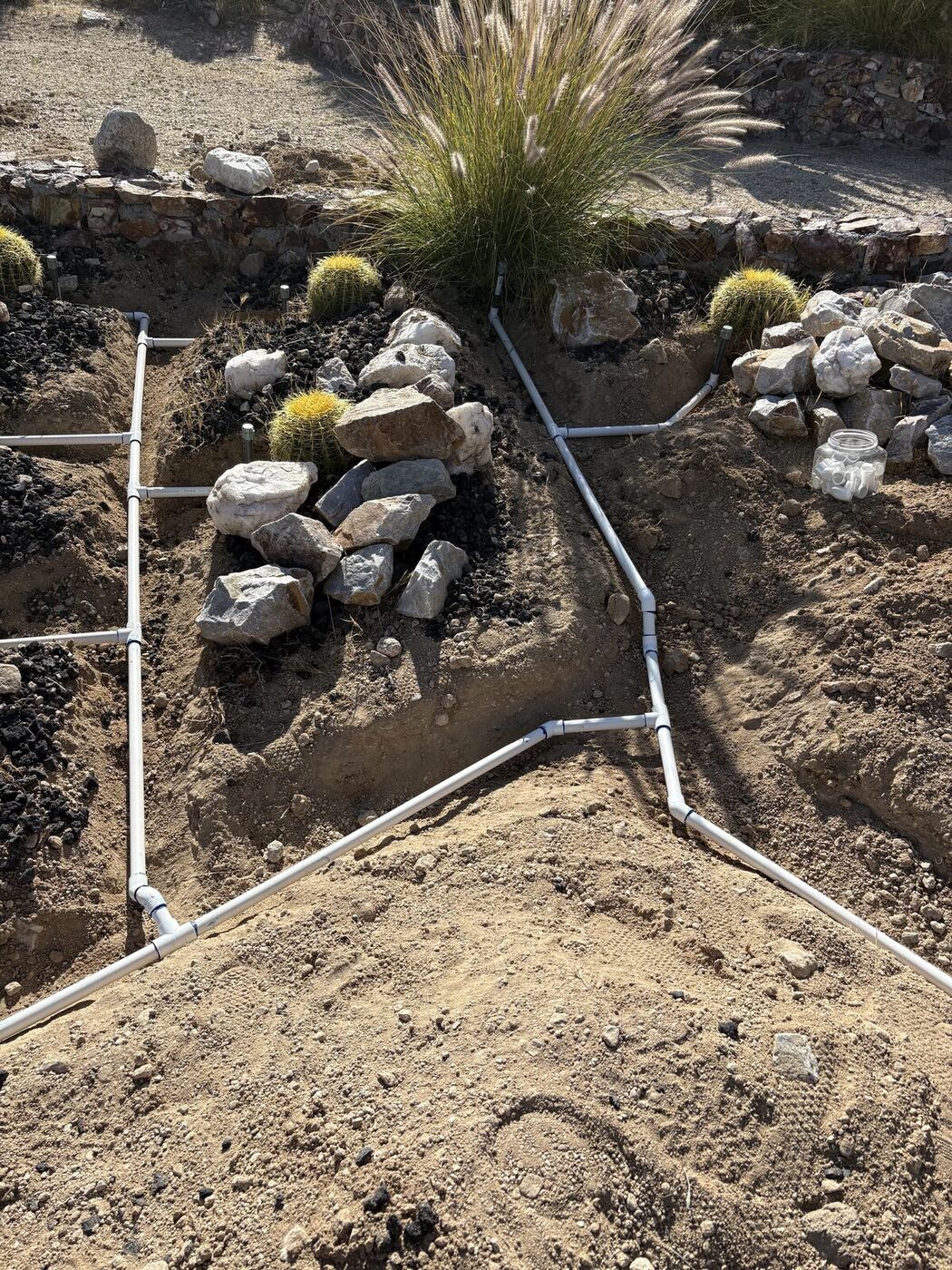
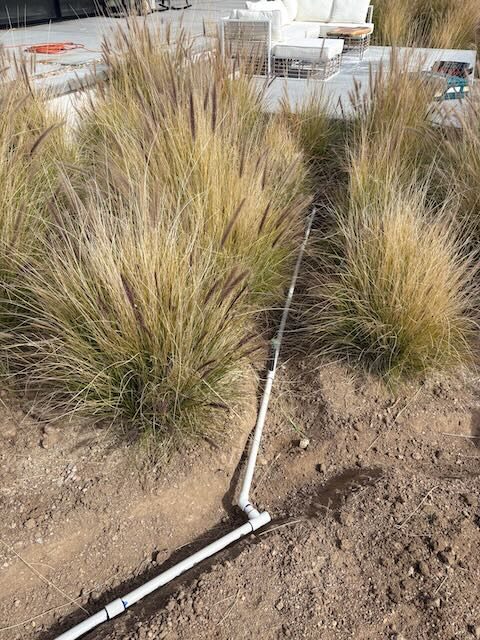
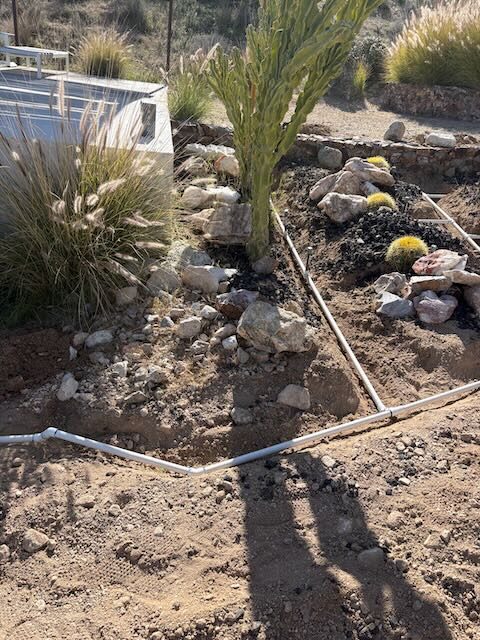
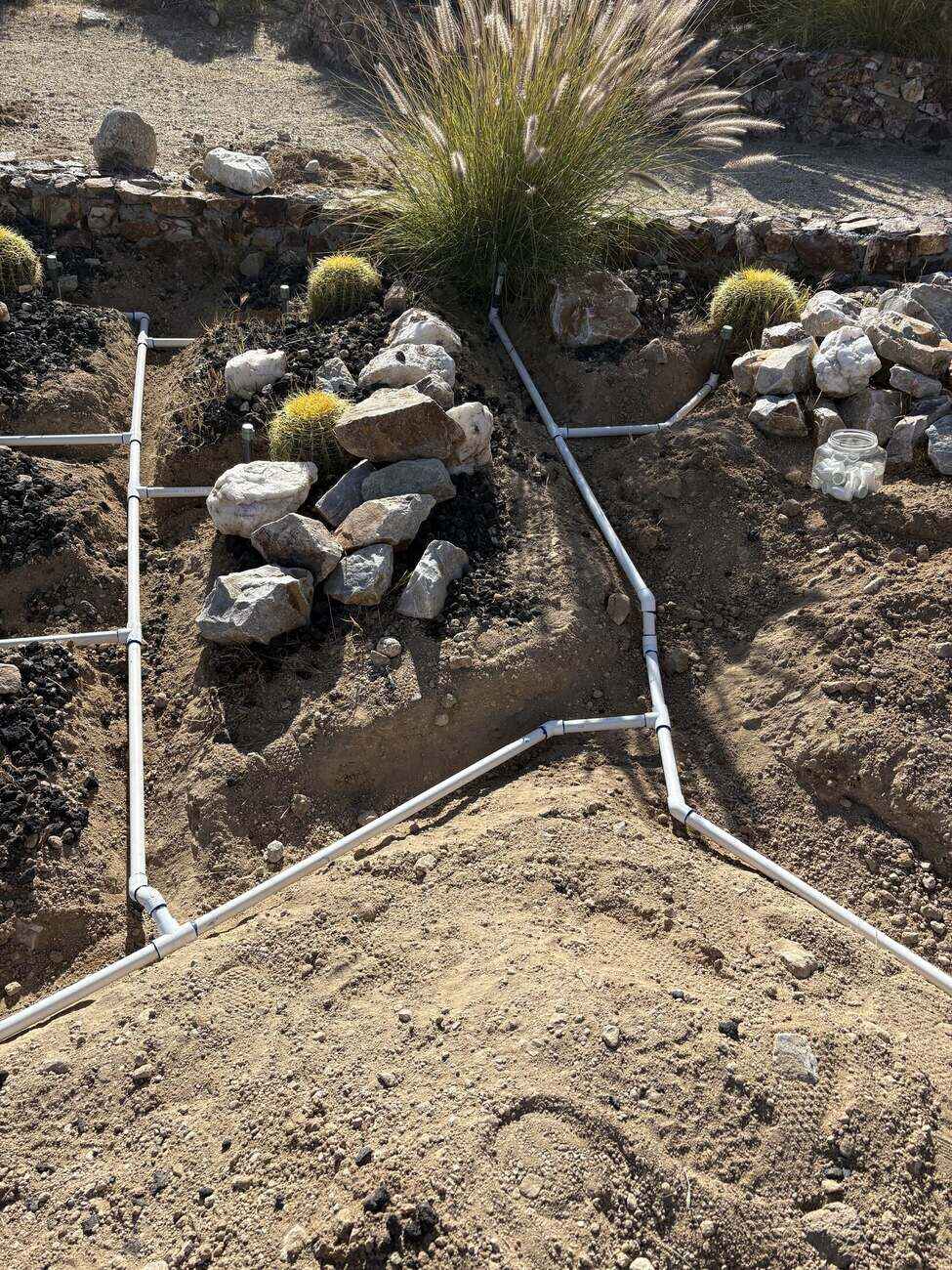
A desert landscape lives or dies on its irrigation, and most of the system disappears the moment the ground closes over it. So it gets built to last down there, where heat, UV, and burrowing critters work on buried line year after year. Here's the network before backfill: mainlines, zone valves, and drip runs, all placed to feed each native plant for the long haul.
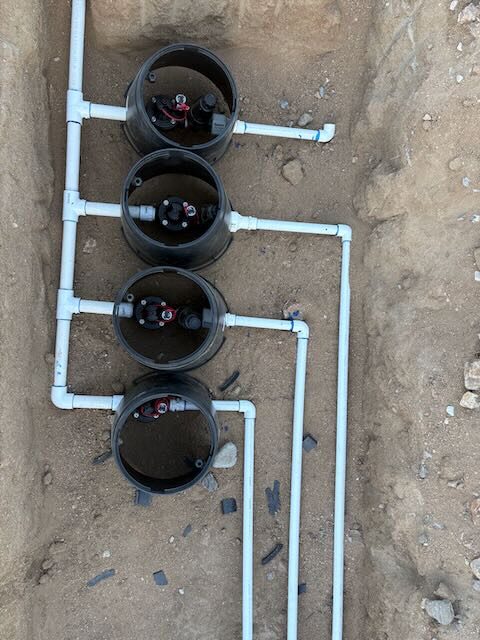
We lay the mainline first, running schedule-40 PVC to a manifold that splits the property into zones by plant type and sun exposure. Native cactus and succulents get one zone with infrequent, deep soaks. Grasses and desert shrubs get another, watered more often through pressure-regulated drip that puts water right at the root. Grouping plants by their real needs keeps every zone honest, so each plant gets exactly what it wants and no more.
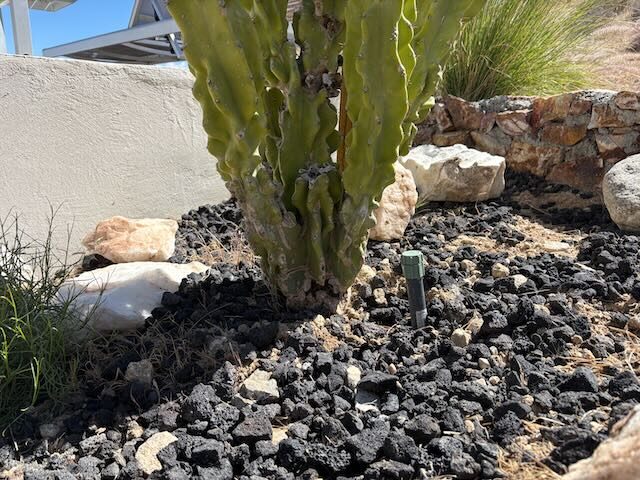
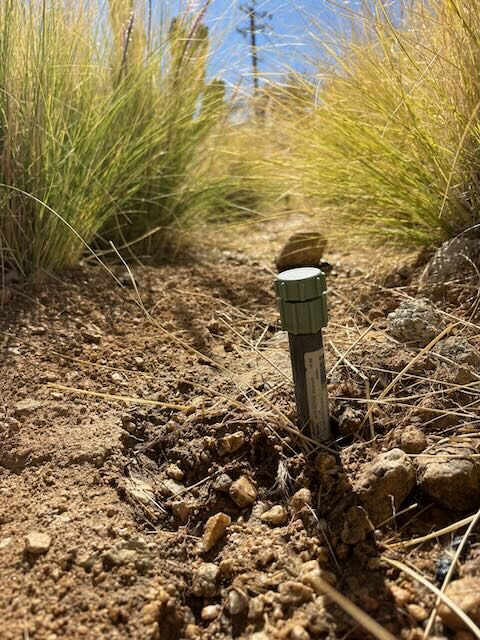
Every emitter gets sized to what it feeds: a young shrub takes more flow than an established barrel cactus a few feet away. The buried parts are chosen to take punishment, from UV-stable fittings down to line routed and armored against the rodents and rabbits that treat soft tubing as a chew toy. Once it's in the ground, the system holds up for years and asks for almost nothing.
The whole network runs off a smart controller you can reach from your phone. Adjust a zone from the couch, dial the water back after a rare desert rain, or check that everything ran while you're a thousand miles from home. The controller reads local weather and shifts the schedule as the seasons turn, so the landscape stays healthy through the hottest months on its own.